
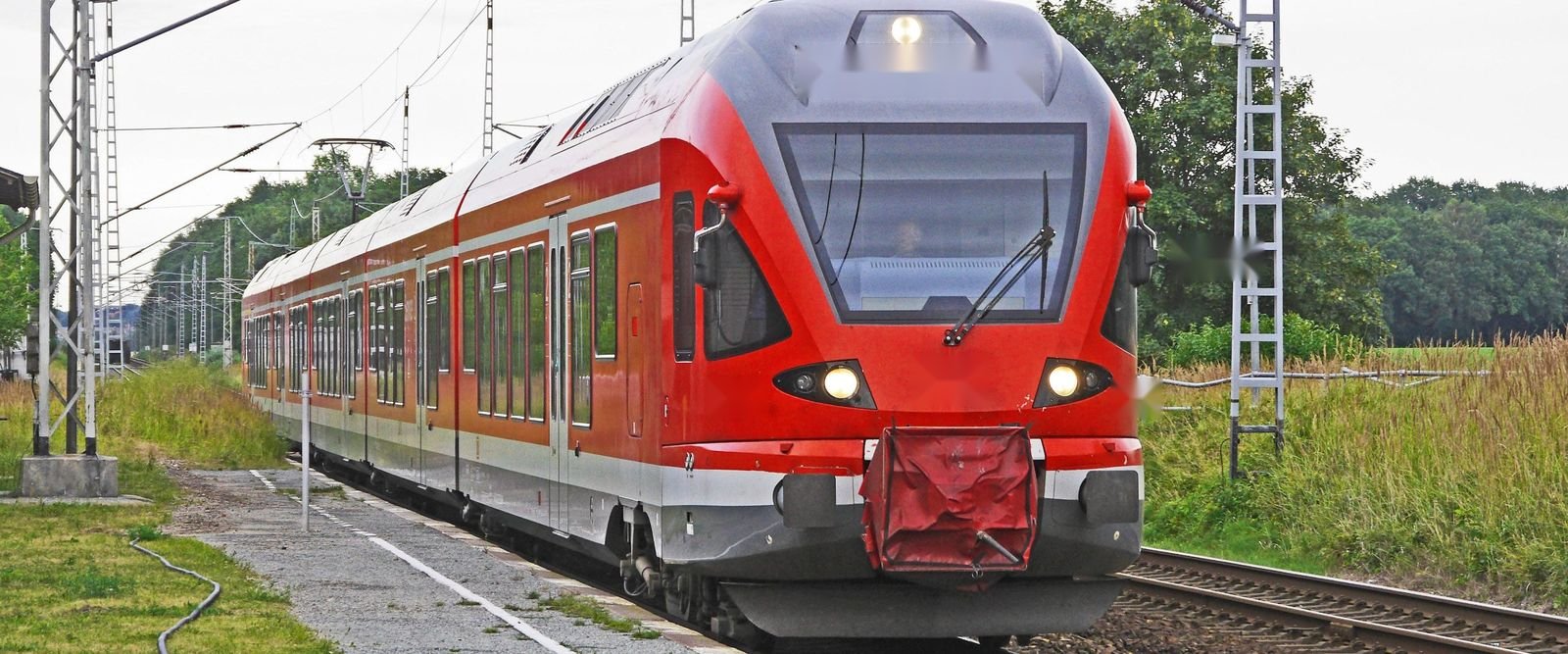
Metrolink trains run directly through the Santa Clarita Valley, with stations in Santa Clarita, Newhall, and Via Princessa. If you or a loved one was injured in a train accident — whether as a passenger, at a crossing, or near the tracks — there are two important legal principles worth understanding early. Call or text today for a free consultation.
Trains Are Held to a Higher Legal Standard
Under California Civil Code Section 2100, a carrier of persons for reward must use the utmost care and diligence for their safe carriage, provide everything necessary for that purpose, and exercise a reasonable degree of skill. That is a higher standard than ordinary reasonable care. Whether the section applies to a particular rail operator and a particular injury depends on the facts.
Claims Against Metrolink Face a Short, Strict Deadline
Metrolink is operated by the Southern California Regional Rail Authority (SCRRA), a public joint powers agency. Because Metrolink is a government entity, claims against it are governed by the California Government Claims Act, which requires filing a formal written claim within six months of the injury — not the standard two-year statute of limitations that applies to most personal injury cases.
Missing this six-month deadline can end your claim, regardless of how serious your injuries are, although an application to present a late claim may be possible within one year of the injury (Government Code Section 911.4).
This shorter deadline doesn't apply to every train-accident scenario — for example, a claim against a private freight railroad or another private party may follow different rules — which is exactly why it's important to identify the correct responsible party and applicable deadline early.
Common Types of Train Accidents
- Passenger injuries: falls, sudden stops, or collisions while riding
- Grade crossing accidents: collisions between trains and vehicles or pedestrians at crossings
- Trespasser and pedestrian accidents: injuries to individuals near or on the tracks
- Derailments: caused by track defects, equipment failure, or operator error
- Boarding and platform injuries: falls or injuries while boarding, exiting, or waiting on a platform
Who May Be Liable
Depending on the circumstances, liability in a train accident may extend to:
- The transit authority operating the train (such as SCRRA/Metrolink)
- A private contractor responsible for track maintenance or equipment
- A freight railroad company, in cases involving private rail lines
- Equipment or parts manufacturers, in cases involving mechanical failure
What to Do After a Train Accident
- Seek medical attention immediately, even if injuries seem minor
- Report the incident to the transit agency or railroad operator
- Document the scene — photos, witness information, and any visible hazards
- Preserve evidence — surveillance footage, maintenance records, and train data logs are not kept indefinitely
- Consult an attorney promptly, given the shortened deadline for claims against public transit agencies
Frequently Asked Questions
Does the "utmost care" standard apply to every train-related injury?
Section 2100 addresses a carrier's duty for the safe carriage of its passengers. Other train-accident scenarios, such as grade-crossing collisions or trespasser injuries, may be evaluated under different legal standards.
What if a private freight railroad, not Metrolink, caused my injury?
Claims against private railroads generally follow the standard two-year statute of limitations rather than the six-month government claims deadline, though federal railroad safety regulations may still apply.
How quickly should I speak with an attorney after a train accident?
As soon as possible. Between the short government claims deadline and the limited time transit agencies retain surveillance footage and data logs, early legal guidance can make a meaningful difference in preserving your claim.
Why is the deadline to file a claim against Metrolink so much shorter than a typical accident claim?
Because Metrolink is operated by a public agency (SCRRA), claims against it fall under the California Government Claims Act, which requires a formal written claim within six months of the injury, rather than the standard two-year statute of limitations for most personal injury claims.
Talk to a Santa Clarita Train Accident Attorney Today
Robert Mansour can help advise you regarding your case. He serves the entire Santa Clarita Valley including Valencia, Canyon Country, Saugus, Newhall, Castaic, Stevenson Ranch, and surrounding communities. Call Santa Clarita personal injury attorney Robert Mansour at 661-414-7100 for a free consultation and evaluation of your case. You can also fill out our Free Case Evaluation form.