
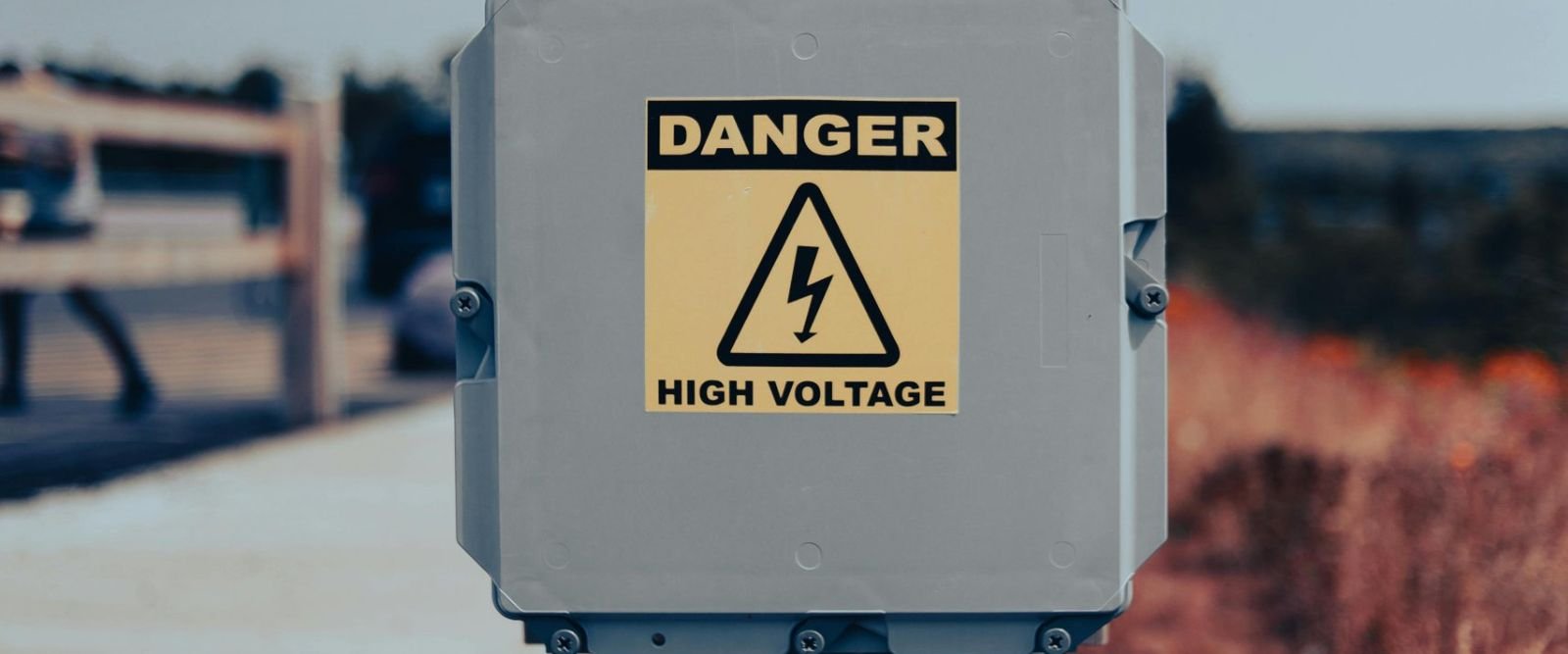
If you've suffered an electrical injury due to someone else's negligence, understanding who may be responsible — and what type of claim applies — can make a real difference. Call or text today for a free consultation.
Who May Be Liable for an Electrical Injury
Electrical injuries can arise in many different settings, and liability depends heavily on where and how the injury occurred:
- Property owners: under premises liability law, a property owner or occupier may be liable for failing to maintain safe electrical systems or warn of known hazards
- Employers: workplace electrical injuries are often covered by workers' compensation, but if a third party — such as a contractor, equipment manufacturer, or another company on site — contributed to the injury, a separate personal injury claim may also be available
- Equipment manufacturers: if a defective product, such as faulty wiring, an appliance, or protective equipment, caused the injury, a product liability claim may apply under California's strict liability doctrine
- Utility companies: injuries involving power lines or utility equipment can involve claims against the utility, though these cases often involve unique legal considerations specific to utility operations
- Contractors and electricians: improper electrical work performed by a licensed or unlicensed contractor may support a negligence claim
Common Types of Electrical Injuries
- Electrocution: occurs when a person directly contacts an electric current, which passes through the body
- Electric shock: results from contact with a live electrical source due to faulty wiring or equipment
- Arc flash: a release of energy from a short circuit or equipment failure, causing a burst of heat and light; particularly a risk for workers in industrial environments
- Burns: exposure to electrical current can cause thermal burns affecting skin and underlying tissue
- Falls and secondary injuries: electric shocks or arc flashes can cause a person to lose balance, leading to falls and additional injuries like fractures or head trauma
Injuries That May Result
- Burns: ranging from mild to severe, potentially requiring extensive medical treatment and resulting in scarring or disfigurement
- Cardiac injuries: electric shocks can disrupt the heart's normal rhythm, potentially causing cardiac arrest or other complications
- Neurological injuries: damage to the nervous system can cause numbness, tingling, weakness, or in severe cases, paralysis
- Musculoskeletal injuries: falls or muscle contractions from an electric shock can cause fractures, sprains, or strains
- Internal injuries: electrical current passing through the body can damage internal organs and tissue in ways that aren't immediately visible
Why These Cases Can Be Complex
Electrical injury cases often require:
- Expert testimony from electrical engineers to establish what went wrong and why
- Review of applicable safety codes, including Cal/OSHA's electrical safety orders in workplace settings
- Determining whether workers' compensation, a third-party claim, or both apply
- Coordinating between multiple potentially liable parties (property owner, employer, contractor, and manufacturer)
Frequently Asked Questions
If I was injured by faulty wiring at work, is workers' compensation my only option?
Not necessarily. If a party other than your employer — such as a contractor, property owner, or equipment manufacturer — contributed to the electrical hazard, you may be able to pursue a separate personal injury claim in addition to workers' compensation.
What if a defective appliance or piece of equipment caused my injury?
You may have a product liability claim against the manufacturer under California's strict liability doctrine, which does not require proving the manufacturer was negligent — only that the product was defective and caused your injury.
Can I hold a property owner responsible for an electrical injury?
Potentially, yes. Under premises liability law, property owners have a duty to maintain reasonably safe conditions, including electrical systems, and to warn of known hazards they haven't fixed.
How long do I have to file a claim in California?
In most cases, California law gives you two years from the date of the injury to file a personal injury claim. If a government entity or utility is involved, different or shorter deadlines may apply, so it's important to consult an attorney promptly.
Talk to a Santa Clarita Electrical Injury Attorney Today
Santa Clarita, CA bicycle accident attorney Robert Mansour can help advise you regarding your case. He serves the entire Santa Clarita Valley including Valencia, Canyon Country, Saugus, Newhall, Castaic, Stevenson Ranch, and surrounding communities. Call Santa Clarita personal injury attorney Robert Mansour at 661-414-7100 for a free consultation and evaluation of your case. You can also fill out our Free Case Evaluation form.