
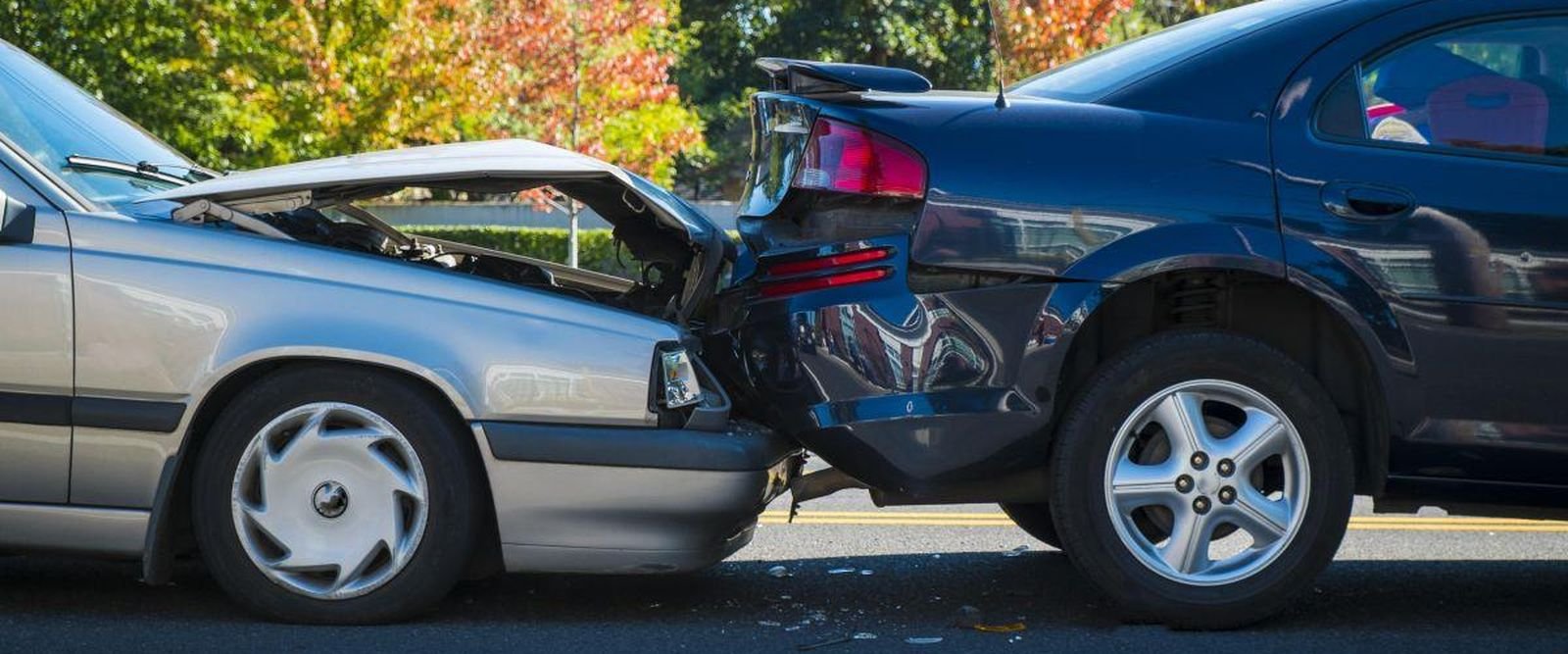
In a rear-end collision, the rear driver is often the one found at fault, but that is not automatic. Understanding how fault is determined, and how it can be challenged, is often central to a rear-end accident claim.
How Fault Is Determined for the Rear Driver
Under California Vehicle Code Section 21703, drivers must not follow another vehicle more closely than is reasonable and prudent for the speed, traffic, and road conditions. Because a driver maintaining a safe following distance should be able to stop in time when traffic ahead slows or stops, a rear-end collision can support an inference that the rear driver was negligent. California courts have described it as a permissible inference, not a conclusive presumption, and the rear driver can offer an explanation.
The inference is not an automatic, unchallengeable rule. Fault can shift partly or entirely to the lead driver in situations such as:
- A sudden stop without cause
- Brake-checking the driver behind
- Non-functioning brake lights
- An unsafe, unsignaled lane change immediately before the collision
- Reversing unexpectedly
Because California follows pure comparative negligence, even a driver found partly at fault can still recover damages, reduced by their percentage of responsibility.
Common Causes of Rear-End Accidents
- Distracted driving: texting, talking on the phone, eating, or adjusting the radio
- Tailgating: following too closely to stop safely
- Speeding: reducing available reaction time
- Sudden stops: the lead vehicle stops unexpectedly
- Weather conditions: rain or fog reducing visibility and traction
- Impaired driving: alcohol or drug use affecting reaction time and judgment
- Mechanical failures: brake or other mechanical issues preventing a timely stop
- Traffic congestion: heavy traffic increasing the likelihood of abrupt stops
Injuries Commonly Sustained in Rear-End Accidents
- Whiplash: neck strain from the rapid back-and-forth movement of the head
- Back injuries: including herniated discs, muscle strains, and spinal cord injuries
- Head injuries: concussions or traumatic brain injuries from contact with the steering wheel, dashboard, or headrest
- Facial injuries: cuts, bruises, or fractures from airbag deployment
- Chest injuries: broken ribs or sternum from seatbelt restraint or airbag deployment
- Arm and wrist injuries: fractures or sprains from bracing for impact
- Soft tissue injuries: sprains, strains, and bruising
More serious rear-end collisions can also cause traumatic brain injuries, spinal cord injuries, internal organ damage, and severe fractures requiring surgery and long-term rehabilitation.
What You May Be Able to Recover Medical expenses: hospital stays, surgeries, doctor visits, physical therapy, and future related care
- Lost wages: compensation for time off work, including future lost earning capacity for long-term disability
- Property damage: repair or replacement of the vehicle and other damaged property
- Pain and suffering: physical pain and emotional distress
- Loss of consortium: impact of the injuries on a relationship with a spouse or family member
- Punitive damages: in cases involving particularly reckless or egregious conduct
Gathering relevant evidence — medical records, repair bills, witness statements, and the accident report — is important to support these types of claims.
Frequently Asked Questions
Is the rear driver always at fault in a rear-end accident?
Not automatically. Vehicle Code Section 21703 prohibits following too closely, and a rear-end collision can support an inference of negligence. That inference can be answered with evidence that the lead driver's actions — like a sudden stop without cause, brake-checking, or an unsafe lane change — contributed to the crash.
Can I still recover damages if I was partially at fault?
Yes. California follows pure comparative negligence, meaning you can recover damages even if you share some fault, though your recovery is reduced by your percentage of responsibility.
What if the driver who hit me claims I stopped suddenly for no reason?
This is one of the more common ways a rear driver challenges fault. Evidence like dashcam footage, witness statements, and the physical evidence at the scene can help establish what actually happened.
How long do I have to file a claim in California?
In most cases, California law gives you two years from the date of the accident to file a personal injury claim.
Talk to a Santa Clarita Rear-End Accident Attorney Today
Robert Mansour is a personal injury lawyer in Santa Clarita, CA and can help advise you regarding your case. He serves the entire Santa Clarita Valley including Valencia, Canyon Country, Saugus, Newhall, Castaic, Stevenson Ranch, and surrounding communities. Call Santa Clarita personal injury attorney Robert Mansour at 661-414-7100 for a free consultation and evaluation of your auto accident case. You can also fill out our Free Case Evaluation form.
MORE INFORMATION:
Rear end car accidents
Intersection car accidents
Pedestrian vs. car accident
Aggressive driving
Vehicle rollover accidents
Multiple vehicle collisions
T-bone car accidents
Hit and Run Accidents
Distracted driving
Drunk Driving
Free case evaluation from a former insurance company lawyer.
Call, text, or send a few details.