
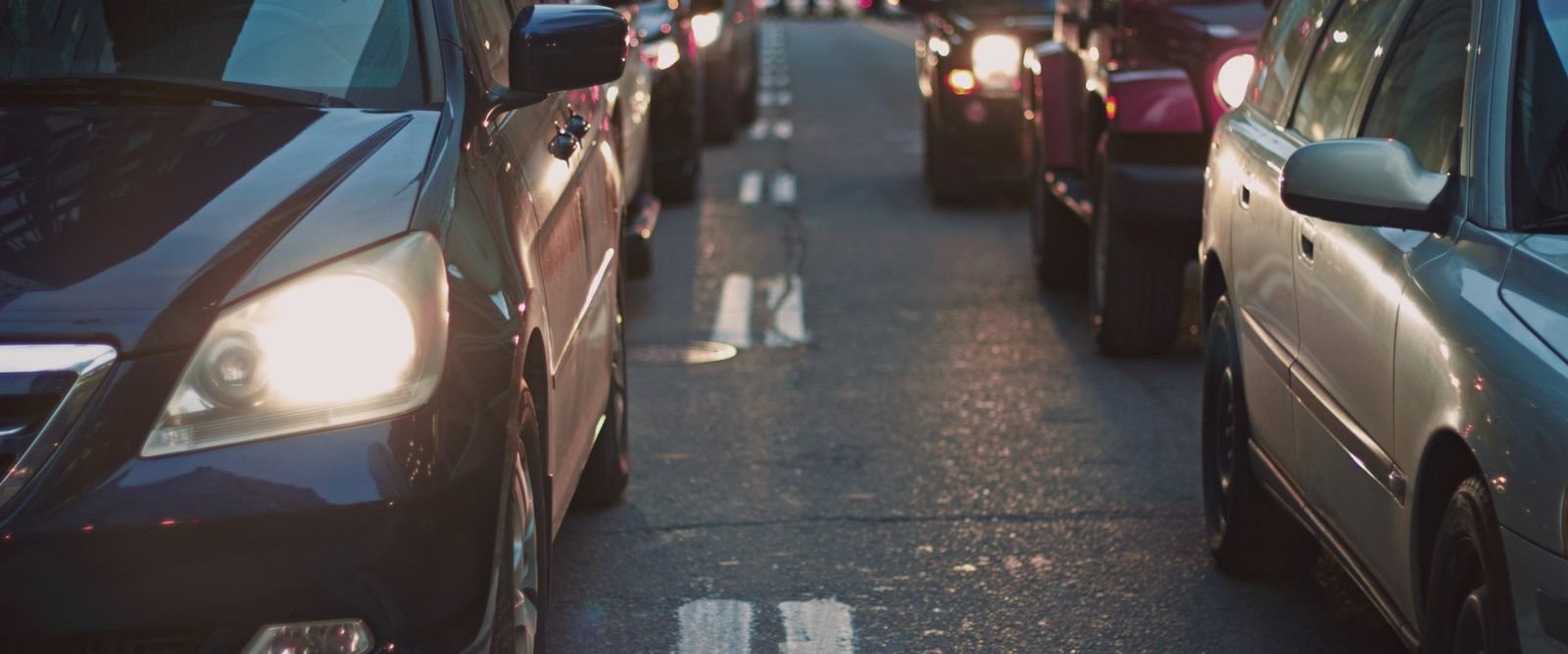
Multi-vehicle collisions, often referred to as pile-ups, are some of the most complex accidents on the road. These events involve three or more vehicles and can result in severe injuries, extensive property damage, and even fatalities.
Top Causes of Multi-Vehicle Accidents
- Chain reaction events: often starting with a single rear-end collision that triggers a domino effect as other nearby vehicles react
- Poor weather conditions: heavy rain, fog, or reduced visibility increasing the likelihood of collisions, especially on freeways
- Distracted driving: drivers taking their eyes off the road become more prone to causing or being caught in a chain-reaction collision
- Speeding: reducing a driver's ability to react to sudden changes in traffic
- Tailgating: following too closely reduces reaction time and increases the likelihood of a chain-reaction pile-up
Why the Rear-End Presumption Often Matters in Pile-Ups
Many multi-vehicle collisions begin as a rear-end accident that triggers a chain reaction. The inference of negligence that a rear-end collision can support under Vehicle Code Section 21703 may be relevant even in a multi-car pile-up, though determining exactly which impact caused which injury, and which driver's negligence set off the chain, often requires careful investigation.
Injuries from Multi-Vehicle Collisions
- Whiplash: from the sudden, sometimes repeated impacts of a chain-reaction collision
- Broken bones: fractures from the force of multiple impacts
- Head injuries: traumatic brain injuries and concussions from striking the steering wheel, dashboard, or other objects
- Internal injuries: organ damage, internal bleeding, and bruising from blunt force trauma
- Spinal cord injuries: potentially resulting in paralysis or loss of function
Why Multi-Vehicle Cases Are More Complex
- Multiple potentially liable parties: several drivers may share fault, and determining each party's degree of responsibility can require extensive investigation
- Coordinating multiple insurance policies: each driver's coverage may need to be evaluated, particularly when liability limits or coverage disputes are involved
- California's comparative negligence rules: fault is often allocated among multiple parties based on their degree of negligence, which requires careful analysis of the facts
- Conflicting witness accounts: different witnesses may have different perspectives on the sequence of events
- More complex legal proceedings: depositions, expert testimony, and negotiations with multiple parties and insurers are often necessary
How Fault Is Determined in a Multi-Vehicle Accident
- Police reports: officers who respond to the scene document their findings, including any citations issued
- Eyewitness accounts: witnesses can provide testimony on the sequence of events and each driver's actions
- Accident reconstruction: experts use skid marks, vehicle damage, and roadway conditions to reconstruct the sequence of impacts
- Vehicle black box data: event data recorders in modern vehicles capture speed, throttle position, and braking activity in the moments before a collision
- Surveillance footage: nearby cameras may capture the collision, providing valuable evidence of what actually happened
Frequently Asked Questions
How is fault divided when multiple drivers share responsibility?
California follows pure comparative negligence, meaning each party's degree of fault is assessed individually, and compensation can be allocated accordingly. This often requires careful analysis of police reports, witness statements, and physical evidence.
What if I can't tell which driver actually caused my specific injury in a multi-car pile-up?
This is one of the most common challenges in these cases. Evidence like black box data, surveillance footage, and accident reconstruction can help establish the sequence of impacts and which party's conduct is responsible for which harm.
How long do I have to file a claim in California?
In most cases, California law gives you two years from the date of the accident to file a personal injury claim.
If I was hit from behind in a chain-reaction pile-up, is the driver who hit me automatically at fault?
Not automatically, but a rear-end collision can still support an inference of negligence against the rear driver. In a multi-vehicle pile-up, determining exactly which driver's negligence set off the chain reaction, and which impact caused which injury, often requires investigation into black box data, witness accounts, and physical evidence.
Talk to a Santa Clarita Multi-Vehicle Accident Attorney Today
Robert Mansour is a personal injury lawyer in Santa Clarita, CA and can help advise you regarding your case. He serves the entire Santa Clarita Valley including Valencia, Canyon Country, Saugus, Newhall, Castaic, Stevenson Ranch, and surrounding communities. Call Santa Clarita personal injury attorney Robert Mansour at 661-414-7100 for a free consultation and evaluation of your auto accident case. You can also fill out our Free Case Evaluation form.
MORE INFORMATION:
Rear end car accidents
Intersection car accidents
Pedestrian vs. car accident
Aggressive driving
Vehicle rollover accidents
Multiple vehicle collisions
T-bone car accidents
Hit and Run Accidents
Distracted driving
Drunk Driving