

By Robert M. MansourCalifornia attorney since 1993 · State Bar #169118
Pedestrian versus car accidents can result in serious injuries due to the vast difference in size and weight between a person and a vehicle. Some of the most serious injuries that can occur in such cases include:
- Traumatic Brain Injuries (TBIs): Head injuries are common in pedestrian accidents, and TBIs can range from mild concussions to severe and life-threatening injuries.
- Spinal Cord Injuries: Impact from a car can cause damage to the spinal cord, potentially leading to paralysis or other long-term complications.
- Broken Bones: Pedestrians may suffer fractures, especially in the limbs, pelvis, or ribs, as a result of the impact.
- Internal Injuries: The force of a collision can cause damage to internal organs, leading to serious complications.
- Soft Tissue Injuries: Sprains, strains, and contusions are common in pedestrian accidents and can result in long-term pain and discomfort.
- Psychological Trauma: Witnessing or being involved in a pedestrian accident can lead to psychological issues such as post-traumatic stress disorder (PTSD) and anxiety.
To stay safe as a pedestrian and reduce the risk of being involved in an accident, consider the following tips:
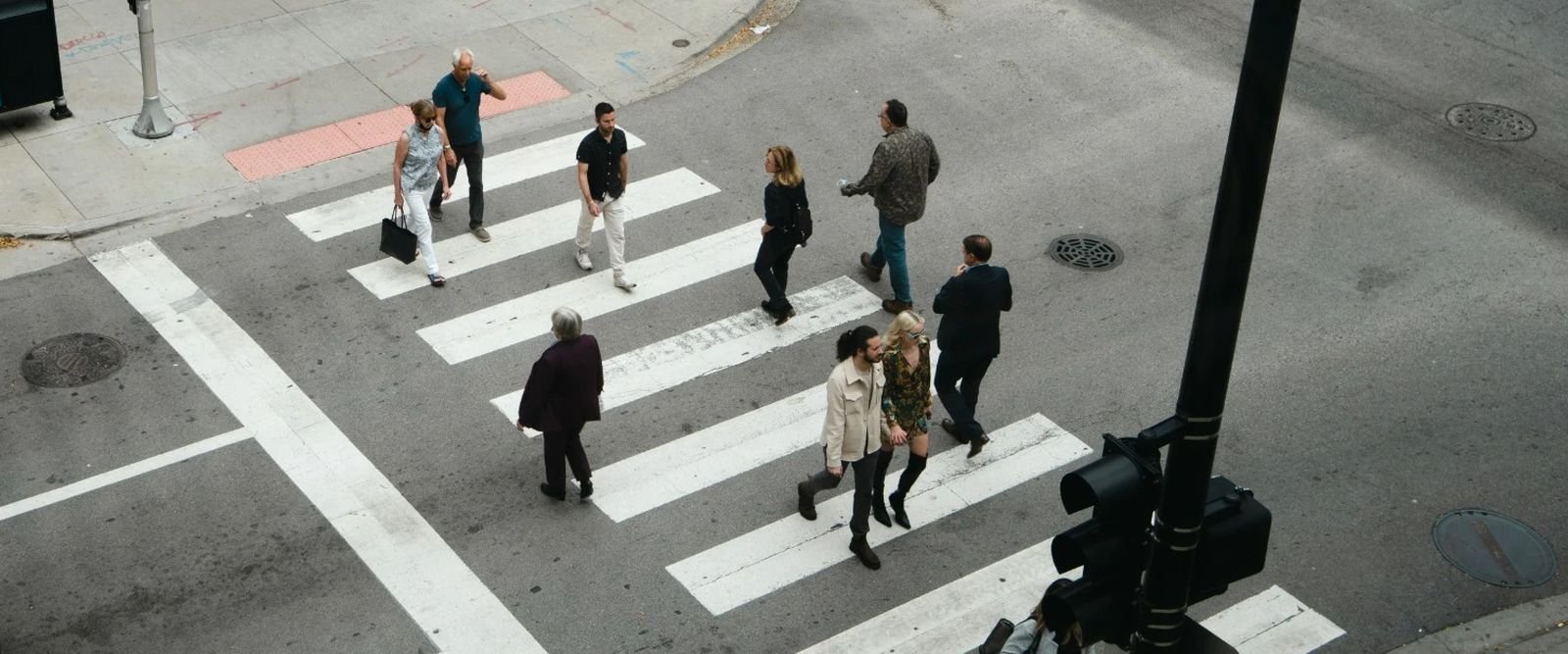
- Use Crosswalks: Cross the road at designated crosswalks and follow traffic signals. This makes you more visible to drivers.
- Be Visible to Drivers: Wear clothing that is bright or reflective, especially at night when it's harder for drivers to see clearly. Make yourself as visible as possible to drivers.
- Avoid Distractions: Stay focused on your surroundings. Avoid using your phone or other distractions while walking.
- Obey Traffic Rules: Follow traffic rules and signals. Wait for the "walk" signal before crossing the road.
- Make Eye Contact with Drivers: Try to make eye contact with the driver of the car before crossing in front of them. If you make eye contact, there is a stronger likelihood they will know you are there and they will be extra careful.
- Walk Facing Traffic: If there is no sidewalk, walk on the side of the road facing oncoming traffic.
- Be Predictable: Walk in a straight line, and avoid sudden movements. This makes it easier for drivers to anticipate your actions.
- Stay Sober: Walking under the influence of alcohol or drugs can impair your judgment and coordination, increasing the risk of an accident.
- Teach Children Road Safety: Educate children about pedestrian safety, including the importance of looking both ways before crossing the street.
Remember, both pedestrians and drivers share the responsibility of road safety. Staying alert and following safety guidelines can help reduce the risk of accidents and their associated injuries.