

By Robert M. MansourCalifornia attorney since 1993 · State Bar #169118
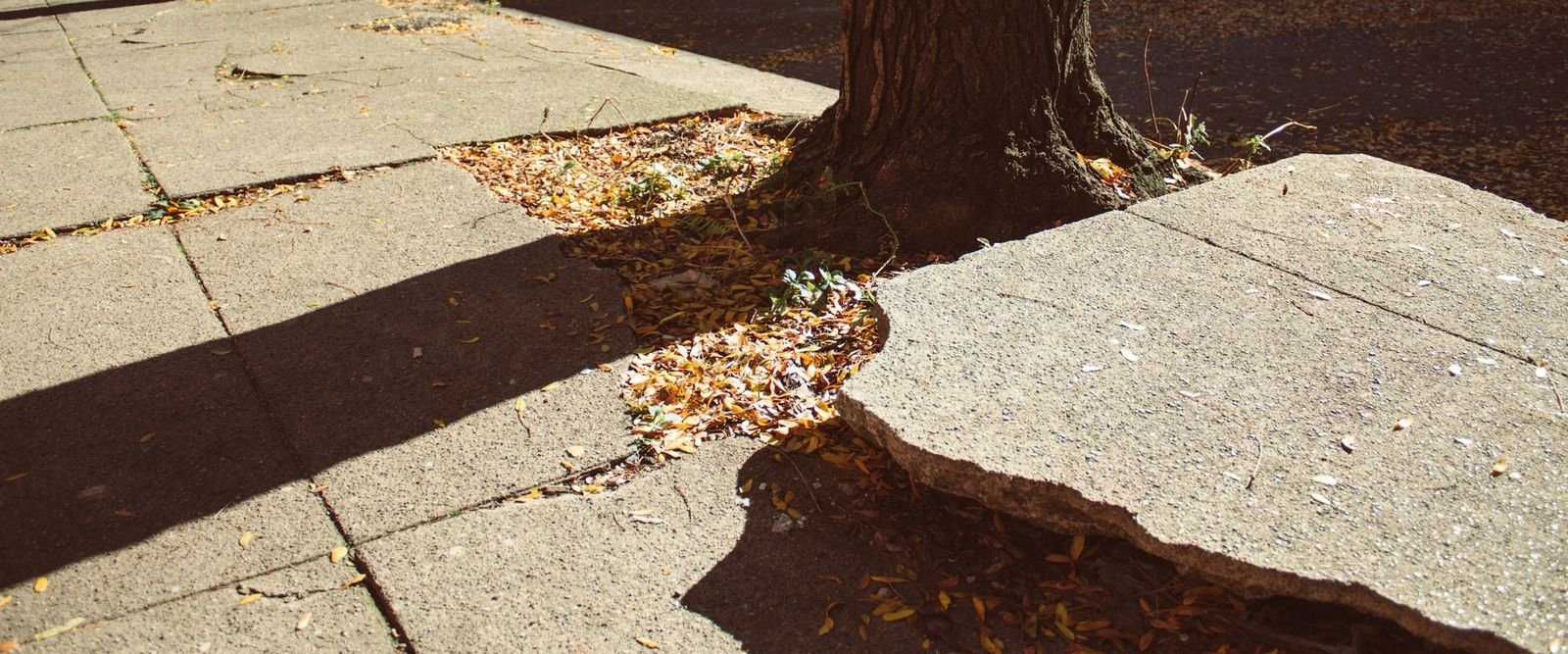
In California, the responsibility for maintaining sidewalks and addressing defects can vary depending on local ordinances and regulations. Generally, municipalities or local government entities are responsible for maintaining public sidewalks. However, liability for sidewalk injuries caused by defects such as cracks, uneven surfaces, or other hazards can be complex and may involve various factors. In some cases, the adjacent landowner may be responsible or partially responsible.
If a municipality is responsible for maintaining the sidewalk where an injury occurs, bringing a claim against the municipality typically involves the following steps:
- Notice Requirement: Many municipalities have specific procedures and notice requirements for filing claims against them for injuries caused by sidewalk defects. These requirements often include notifying the municipality within a certain timeframe (e.g., within a few months) after the injury occurs. The notice requirement differs from the standard "statute of limitations" so you have to act quickly.
- Investigation and Documentation: Gather evidence to support your claim, including photographs of the sidewalk defect, witness statements, medical records documenting injuries, and any other relevant documentation.
- File a Claim: Submit a formal claim to the municipality according to their specified procedures. This typically involves completing a claim form provided by the municipality and submitting it along with any required documentation.
- Evaluation and Response: The municipality will typically investigate the claim and evaluate its merits. They may accept the claim and offer a settlement, deny the claim, or negotiate a settlement with the claimant.
- Litigation (if necessary): If the municipality denies the claim or fails to offer a satisfactory settlement, the claimant may choose to file a lawsuit against the municipality to pursue compensation for their injuries and damages.
Regarding damages that someone may be entitled to in a sidewalk injury claim against a municipality in California, potential damages may include:
- Medical Expenses: Compensation for medical treatment related to the injuries suffered on the defective sidewalk, including hospital bills, surgery costs, medication expenses, physical therapy, and ongoing medical care.
- Lost Wages: Reimbursement for income lost due to the injuries, including wages missed during recovery, as well as any loss of earning capacity if the injuries result in long-term or permanent disability.
- Pain and Suffering: Compensation for physical pain, emotional distress, and mental anguish caused by the injuries and their impact on the claimant's life.
- Property Damage: Reimbursement for any property damage resulting from the accident, such as damage to clothing or personal belongings.
- Disability or Disfigurement: Compensation for permanent disabilities or disfigurement resulting from the injuries, including any necessary modifications to the claimant's home or lifestyle.
- Loss of Consortium: Compensation for the impact of the injuries on the claimant's relationship with their spouse or family members.
It's important to note that each case is unique, and the specific damages recoverable in a sidewalk injury claim against a municipality in California may vary based on the circumstances of the accident and the nature of the injuries. Consulting with a knowledgeable personal injury attorney can help individuals understand their rights, navigate the claims process, and pursue fair compensation for their damages.