

By Robert M. MansourCalifornia attorney since 1993 · State Bar #169118
Slip and fall injury supermarket cases can happen for a variety of reasons. Here are some of the most common reasons people slip and fall at supermarkets:
- Spills: Spills of liquids, such as water, oil, or food items, on the floor can create slippery surfaces that increase the risk of slipping.
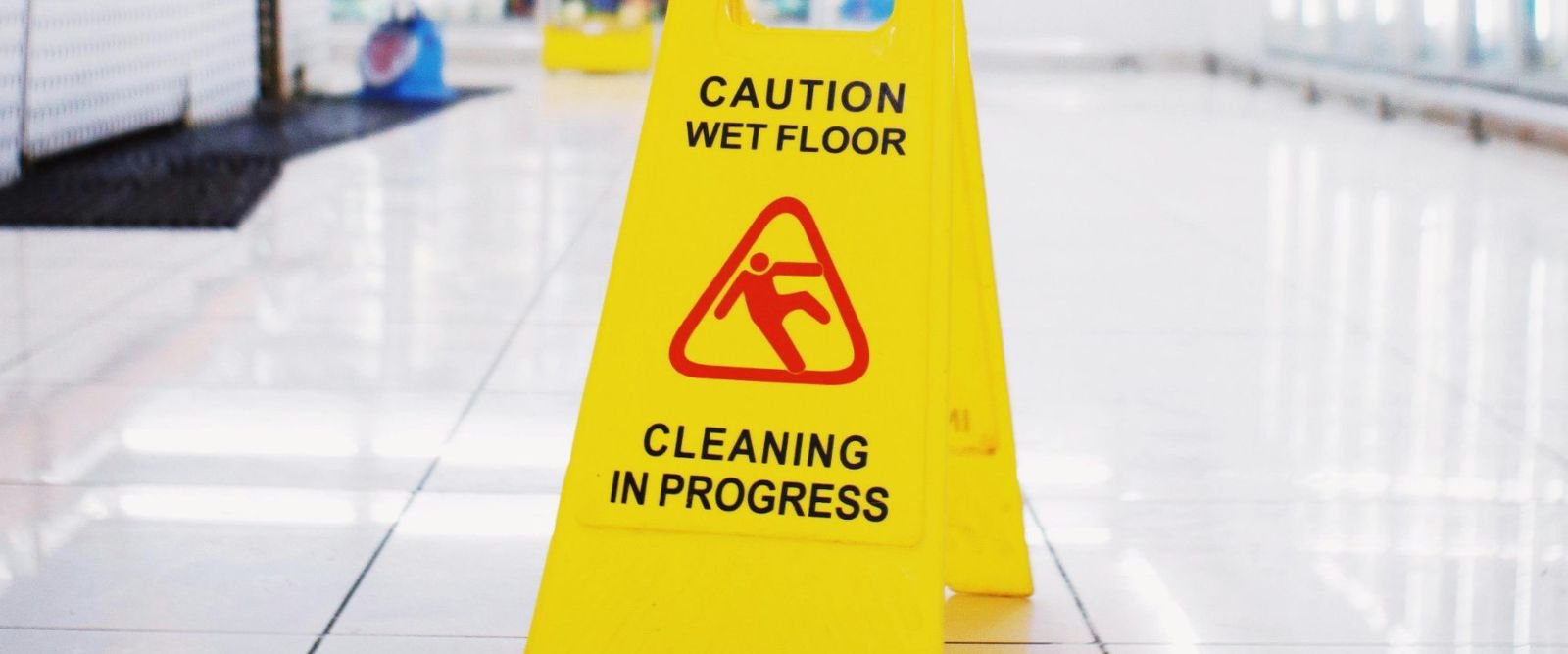
- Wet or Mopped Floors: Wet or recently mopped floors, particularly in areas such as entrances, aisles, or restrooms, can pose slip hazards if proper warning signs are not displayed.
- Debris or Obstacles: Debris, packaging materials, or other obstacles left in aisles or walkways can cause individuals to trip and fall.
- Uneven Surfaces: Uneven or damaged flooring, including cracks, potholes, or torn carpets, can create trip hazards for customers navigating the supermarket.
- Weather Conditions: Rainwater or snow tracked into the store from outside can create slippery conditions near entrances and exits.
- Inadequate Lighting: Poor lighting in certain areas of the supermarket can make it difficult for customers to see potential hazards on the floor.
- Improper Footwear: Wearing inappropriate footwear, such as shoes with worn-out soles or high heels, can increase the risk of slipping and falling.
Some of the most common injuries that happen if someone slips and falls at a supermarket include:
- Fractures and Broken Bones: Slip and fall accidents can result in fractures or broken bones, particularly in the wrists, arms, ankles, and hips.
- Head Injuries: Falls can cause head injuries, including concussions, skull fractures, and traumatic brain injuries, especially if the individual strikes their head on a hard surface.
- Soft Tissue Injuries: Soft tissue injuries, such as sprains, strains, and contusions, can occur due to the impact of the fall.
- Back and Spinal Cord Injuries: Falls can lead to back injuries, including spinal cord injuries, herniated discs, or compression fractures of the vertebrae.
- Bruises and Abrasions: Slip and fall accidents can result in bruises, abrasions, and lacerations on various parts of the body due to contact with the floor or nearby objects.
The duty of the supermarket when it comes to customer safety includes:
- Maintaining Safe Premises: Supermarkets have a duty to maintain their premises in a reasonably safe condition for customers and to identify and correct hazardous conditions promptly.
- Regular Inspections: Supermarkets should conduct regular inspections of their premises to identify potential hazards, such as spills, debris, or uneven flooring, and take appropriate measures to address them.
- Warning Signs: If hazards cannot be immediately corrected, supermarkets should provide warning signs or barriers to alert customers to potential dangers, such as wet floors or areas under repair.
- Clean-up Procedures: Supermarkets should have policies and procedures in place for promptly cleaning up spills and addressing other hazards to prevent slip and fall accidents.
- Training Staff: Supermarket staff should receive training on safety protocols, including proper clean-up procedures, monitoring for hazards, and responding to customer incidents.
If someone slips and falls at a supermarket, they should take the following steps:
- Seek Medical Attention: Seek medical attention immediately for any injuries sustained in the fall, even if they seem minor at first.
- Report the Incident: Report the slip and fall incident to the supermarket management or staff as soon as possible. Ask to fill out an incident report and request a copy for your records.
- Document the Scene: Take photographs of the area where the slip and fall occurred, including any hazards or conditions that contributed to the accident. Also, gather contact information from any witnesses present.
- Preserve Evidence: If possible, preserve any evidence related to the incident, such as the shoes worn at the time of the fall or clothing with visible damage.
- Follow-up: Follow up with the supermarket management to ensure that a proper investigation is conducted, and corrective measures are taken to prevent similar incidents in the future.
- Consult with an Attorney: If you sustained injuries in a slip and fall accident at a supermarket, consider consulting with a personal injury attorney experienced in premises liability cases. An attorney can help you understand your rights, assess your potential claims, and pursue compensation for your injuries and damages.