

By Robert M. MansourCalifornia attorney since 1993 · State Bar #169118
Why Visible Property Damage Can Matter in a California Personal Injury Case
If you have been injured in a car accident, the condition of the vehicles involved can become important evidence when you are trying to prove how the collision happened and whether the impact could have caused your injuries.
This is particularly true when the claimed injuries are soft-tissue injuries, such as neck or back pain, that may not be obvious on an X-ray or other diagnostic study. Visible vehicle damage can give an insurance adjuster, defense attorney, or jury something tangible to evaluate when considering the force and circumstances of the collision.
I recently spoke with a prospective client who had been bumped in a parking lot.
When I asked about the property damage, he explained that the damage was difficult to see because the car looked fine from the outside. He told me that the bumper had actually been damaged and that the extent of the damage would become apparent only after the bumper was removed and examined more closely.
That situation illustrates an important challenge: evidence that may be obvious to a body shop or mechanic is not necessarily obvious to an insurance adjuster or jury.
Key Takeaways
- Visible vehicle damage can be important evidence in a personal injury claim, particularly when the injuries are primarily based on pain or other symptoms that may not be readily visible.
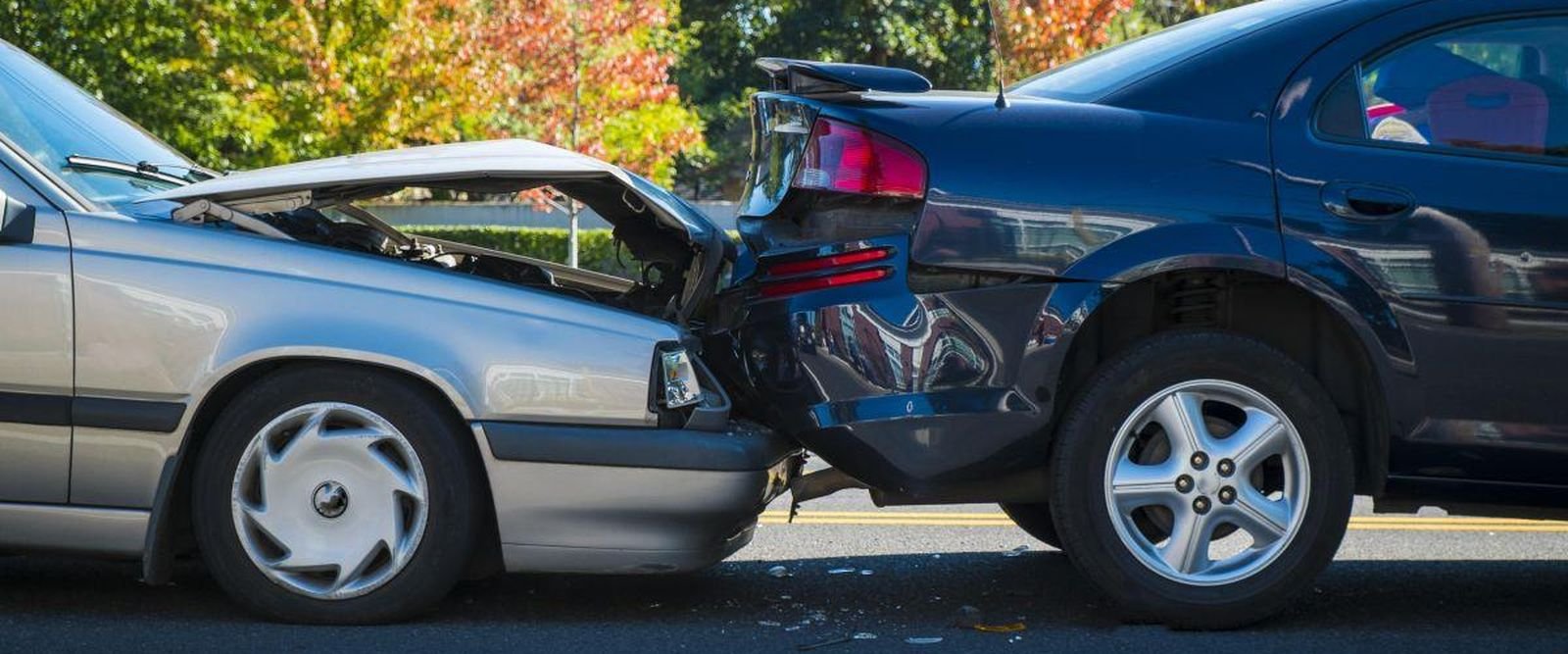
- A jury should not have to work hard to understand the damage to the vehicles. Clear photographs can make the nature of the collision much easier to understand.
- Hidden or internal vehicle damage can still be significant. The absence of obvious exterior damage does not necessarily mean that a collision could not cause an injury.
- Do not assume that a vehicle that looks fine is actually undamaged. A qualified body shop may discover damage that is not apparent from a simple visual inspection.
- Photograph the vehicles from multiple angles, including wide shots and detailed photographs of damaged areas.
- Obtain repair estimates and other property-damage documentation. These records can provide additional evidence concerning the nature of the collision.
- Photograph visible physical injuries as well. Bruising, swelling, cuts, abrasions, or other visible injuries may provide useful contemporaneous evidence.
- Property damage is only one piece of an injury claim. Liability, medical records, diagnostic findings, treatment history, witness testimony, and other evidence may also be important.
- The absence of visible damage does not automatically mean you have no valid personal injury claim. Every case should be evaluated based on its particular facts and evidence.
Why Do Juries Care About Vehicle Damage?
When a personal injury case reaches a jury, jurors are asked to evaluate evidence and decide whether the plaintiff has proven that the accident caused the claimed injuries. Photographs of damaged vehicles can provide a straightforward visual representation of what happened. Instead of asking jurors to understand collision forces solely through testimony from the plaintiff, an attorney can show them the physical evidence left behind by the accident.
This can become particularly important when the claimed injuries are not easily visible. A person may genuinely experience significant neck or back pain even though there is no broken bone or dramatic injury that a jury can see. When the vehicle damage is also difficult to see, however, the jury may have fewer tangible pieces of evidence connecting the collision to the claimed injuries.
Juries Don't Want to "Squint" to See the Damage
One lesson I have learned from years of trying cases is that visual evidence needs to be understandable. If a photograph requires the jury to squint at a bumper, study subtle scratches, or rely on testimony that significant damage exists underneath a seemingly undamaged exterior, the evidence becomes harder to appreciate. You may know that a body shop found substantial damage after removing a bumper, but the jury may simply see a vehicle that appears relatively normal.
This does not mean that jurors are incapable of understanding complicated property damage. It means that lawyers should make important evidence as clear and accessible as possible. If the evidence can be demonstrated through photographs, repair estimates, expert testimony, or photographs taken after disassembly, those pieces should be organized in a way that allows the jury to understand what actually happened.
Photograph the Damage Before Repairs Begin
If you are physically able to do so, photograph your vehicle as soon as possible after the accident and before repairs are performed. Take photographs from several distances and angles so that the overall condition of the vehicle is documented as well as the specific areas of damage. Close-up photographs can show dents, cracks, scrapes, deformation, broken components, paint transfer, and other details that may otherwise disappear once repairs begin.
You should also consider photographing the other vehicles involved in the collision when it is safe and lawful to do so. Damage to the other vehicle may help demonstrate the point of impact and provide additional context concerning how the collision occurred. If you cannot obtain photographs yourself, your attorney may be able to obtain property-damage photographs from the insurance company, body shop, or other sources.
Get the Repair Estimate and Other Property-Damage Records
Photographs are not the only evidence of vehicle damage. Repair estimates, invoices, total-loss evaluations, photographs taken by insurance adjusters, and documentation from the repair facility can provide additional information about what was discovered. In some cases, the repair estimate may identify damage that was not obvious from looking at the vehicle from the outside.
These records can be especially useful when someone argues that the collision was merely a minor "bump." A detailed repair estimate may reveal damage to components that are not apparent in an ordinary photograph. The goal is not to exaggerate the significance of the damage, but to make sure that the complete physical evidence is available when the claim is evaluated.
Don't Forget to Photograph Your Physical Injuries
Vehicle photographs are important, but they are not the only photographs that can be useful after an accident. If you have visible bruising, swelling, cuts, abrasions, or other physical injuries, consider photographing those injuries as they develop and heal. Injuries can change substantially over the days and weeks following a collision, so documenting them contemporaneously can preserve evidence that might otherwise disappear.
As with medical records, photographs should be accurate and should not be manipulated or exaggerated. A simple, properly dated photograph can sometimes provide useful evidence of what an injury actually looked like shortly after an accident. Your medical records, photographs, and other evidence can then be considered together when evaluating the claim.
What If There Is Little or No Visible Vehicle Damage?
A lack of visible property damage can make a personal injury claim more difficult, but it does not automatically establish that the person was uninjured. The circumstances of the collision, the type of vehicle involved, the position of the occupants, the direction of the impact, the medical evidence, and other factors may all be relevant. Some injuries can occur in collisions where the vehicles sustain relatively little exterior damage.
That said, you should understand the practical challenge. If the vehicle looks virtually untouched and the claimed injuries are significant but largely subjective, an insurance company or defense attorney may question how the collision could have produced those injuries. In that situation, strong medical documentation and other objective evidence become particularly important.
My Experience as a Defense Attorney
I spent a significant portion of my legal career representing defendants, and that experience shaped the way I evaluate personal injury cases today. From the defense perspective, photographs showing substantial vehicle damage can be difficult evidence to ignore when the plaintiff is claiming significant injuries. Conversely, when the vehicle appears virtually undamaged, the defense has a much easier opportunity to argue that the collision was too minor to have caused the claimed injuries.
That does not mean every case involving minimal vehicle damage should be rejected. It means that the totality of the evidence matters, and property damage is one factor that can significantly affect how an injury claim is perceived. When I evaluate a potential case, I want to understand not only what the client says happened, but also what the physical evidence can independently demonstrate.
The Bottom Line
If you have been injured in a car accident, take the property damage seriously. Photograph the vehicles, obtain repair estimates, preserve photographs taken by the insurance company or body shop, and make sure potentially hidden damage is appropriately documented before repairs eliminate the evidence. At the same time, remember that the absence of obvious exterior damage does not automatically mean that an injury claim is invalid.
The strongest personal injury cases generally have multiple pieces of evidence working together. Photographs, vehicle damage documentation, medical records, diagnostic testing, witness testimony, and a consistent treatment history can all contribute to the overall picture of what happened. If you have been injured and are unsure whether the available evidence is sufficient to support a claim, an experienced personal injury attorney can evaluate the circumstances and give you a candid assessment.
How important is visible vehicle damage in a personal injury case?
Visible vehicle damage can be important because it provides objective evidence of the collision and can help a jury understand what happened. This can be particularly significant when the claimed injuries are primarily soft-tissue injuries that are not easily visible themselves. However, vehicle damage is only one factor in evaluating whether an injury claim is legitimate.
Can I have a serious injury if my car has very little visible damage?
Yes. The amount of visible vehicle damage does not automatically determine whether someone was injured. The circumstances of the collision, occupant position, vehicle design, direction of impact, medical evidence, and other factors may all affect whether an injury occurred.
What if my car looks fine but the bumper is damaged underneath?
A vehicle can have damage that is not apparent from the outside. A qualified body shop may discover additional damage after removing a bumper or other components. Repair estimates, photographs taken during the repair process, and other documentation can help establish the extent of damage that was not initially visible.
Should I photograph the other driver's vehicle?
If it is safe and appropriate to do so, photographs of the other vehicle can be valuable evidence. They may help establish the location and nature of the impact and can provide additional information about the collision that photographs of your own vehicle alone may not show.
What photographs should I take after a car accident?
Take photographs of each vehicle from multiple distances and angles, including wide shots showing the entire vehicle and close-ups showing specific damage. Also photograph the accident scene, license plates, relevant road conditions, and any visible physical injuries when appropriate.
What if I didn't take pictures at the accident scene?
You may still be able to obtain useful evidence. Insurance companies, body shops, tow yards, and law enforcement may have photographs or other documentation of the vehicles. Repair estimates and photographs taken before or during repairs may also help establish the nature and extent of the property damage.
Can photographs of my vehicle help prove whiplash?
They can provide supporting evidence, but vehicle photographs alone do not prove that someone suffered whiplash. Medical records, examination findings, diagnostic testing when appropriate, treatment history, and other evidence are important in establishing the nature and cause of an injury.
Does no visible property damage mean I don't have a personal injury case?
No. The absence of visible damage does not automatically eliminate a personal injury claim. It can, however, create an additional evidentiary challenge, particularly when significant injuries are claimed after a collision that appears minor.
Should I get my vehicle inspected even if the damage looks minor?
If you believe the vehicle was damaged, having it appropriately inspected can be worthwhile. Some damage may not be apparent from a simple visual inspection, and an estimate or inspection may document problems that would otherwise be overlooked.
Should I take pictures of my physical injuries?
If you have visible injuries such as bruising, swelling, cuts, or abrasions, photographs can help document their appearance and progression. Take accurate photographs without altering or manipulating them, and continue to obtain appropriate medical care for your injuries.