

By Robert M. MansourCalifornia attorney since 1993 · State Bar #169118
1. The 5 Most Common Types of Automobile Accidents
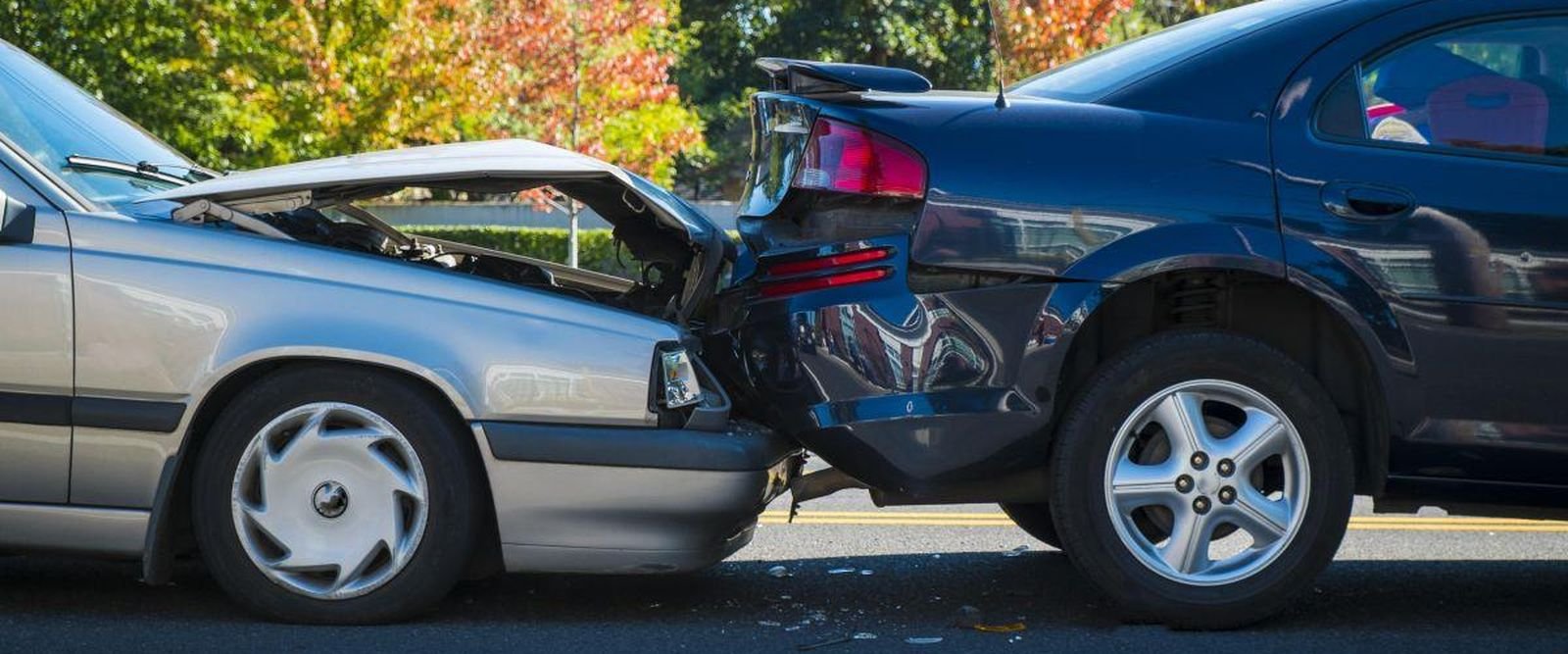
- Rear-End Collisions
- Cause: Occur when one vehicle crashes into the back of another, usually due to sudden stops or following too closely.
- T-bone (Side-Impact) Collisions
- Cause: One vehicle strikes the side of another, typically at an intersection, when one car runs a red light or fails to yield.
- Head-On Collisions
- Cause: Occur when two vehicles collide front to front, often resulting from driving in the wrong lane or while impaired.
- Sideswipe Accidents
- Cause: These accidents happen when two vehicles make contact while traveling in the same direction, usually due to one driver drifting out of their lane or not paying attention.
- Single-Vehicle Accidents
- Cause: Involve one car running off the road, often caused by distractions, fatigue, weather conditions, or swerving to avoid an obstacle.
2. Preventative Measures to Avoid These Accidents
- Rear-End Collisions
- Prevention: Maintain a safe following distance (at least 3 seconds), avoid tailgating, and stay alert to sudden stops in traffic.
- T-bone Collisions
- Prevention: Follow traffic signals and signs, stop at red lights, yield when required, and look both ways at intersections.
- Head-On Collisions
- Prevention: Stay in your lane, avoid distractions, and don’t drive when fatigued or under the influence of alcohol or drugs.
- Sideswipe Accidents
- Prevention: Keep your lane, use turn signals when changing lanes, and always check blind spots before merging or changing lanes.
- Single-Vehicle Accidents
- Prevention: Stay focused while driving, avoid distractions, and drive cautiously during bad weather or slippery conditions.
3. Common Injuries Resulting from These Accidents
- Rear-End Collisions
- Injuries: Whiplash (neck injuries), back injuries, and head trauma.
- T-bone Collisions
- Injuries: Broken bones (especially ribs), pelvic injuries, head injuries, and neck injuries.
- Head-On Collisions
- Injuries: Severe head trauma (brain injuries), chest injuries (broken ribs, internal injuries), and spinal cord injuries.
- Sideswipe Accidents
- Injuries: Soft tissue injuries (sprains and strains), head trauma, and cuts or abrasions from shattered glass or debris.
- Single-Vehicle Accidents
- Injuries: Broken bones, head trauma, soft tissue injuries, and internal injuries due to impact with objects or the ground.
4. Treatment for These Injuries
- Whiplash (Rear-End Collisions)
- Treatment: Physical therapy, anti-inflammatory medications, pain relief, and sometimes a neck brace. In severe cases, chiropractic care or injections may be required.
- Broken Bones (T-bone, Head-On Collisions, Sideswipe Accidents)
- Treatment: Fracture repair (casting, splints, or surgery), pain management, and physical therapy to restore mobility.
- Head Trauma (Head-On and T-bone Collisions)
- Treatment: Immediate medical attention, brain imaging (CT or MRI), possible surgery, and rehabilitation for cognitive function and motor skills if necessary.
- Soft Tissue Injuries (Sideswipe, Single-Vehicle Accidents)
- Treatment: Rest, ice/heat therapy, pain medications, physical therapy, and possible massage therapy or chiropractic treatment.
- Spinal Cord Injuries (Head-On Collisions)
- Treatment: Immediate emergency care, potential surgery to stabilize the spine, rehabilitation, and long-term care to manage mobility issues.
5. Residual Injuries from Automobile AccidentsMany people may experience long-term consequences or residual injuries after a car accident. The most common include:
- Chronic Pain (especially from whiplash and soft tissue injuries)
- Residual discomfort or pain that lingers for months or years.
- Post-Traumatic Stress Disorder (PTSD)
- Emotional and psychological effects, including anxiety, flashbacks, and nightmares, often following traumatic accidents.
- Neck and Back Problems
- Long-term issues with spinal alignment, herniated discs, or muscle strain leading to chronic back or neck pain.
- Brain Injuries (Concussions, Post-Concussion Syndrome)
- Lingering cognitive issues such as memory problems, dizziness, and headaches after a head injury.
- Limited Mobility
- Resulting from severe fractures, spinal cord injuries, or joint injuries that may require long-term rehabilitation or lead to permanent disability.
Preventing automobile accidents involves staying alert, following traffic rules, maintaining a safe distance, and not driving under the influence or while fatigued. The most common injuries resulting from these accidents include whiplash, broken bones, head trauma, and spinal injuries, with treatment ranging from pain relief to physical therapy and surgery. Residual injuries, like chronic pain, PTSD, and mobility limitations, can persist long after the accident and often require ongoing treatment and care.