

By Robert M. MansourCalifornia attorney since 1993 · State Bar #169118
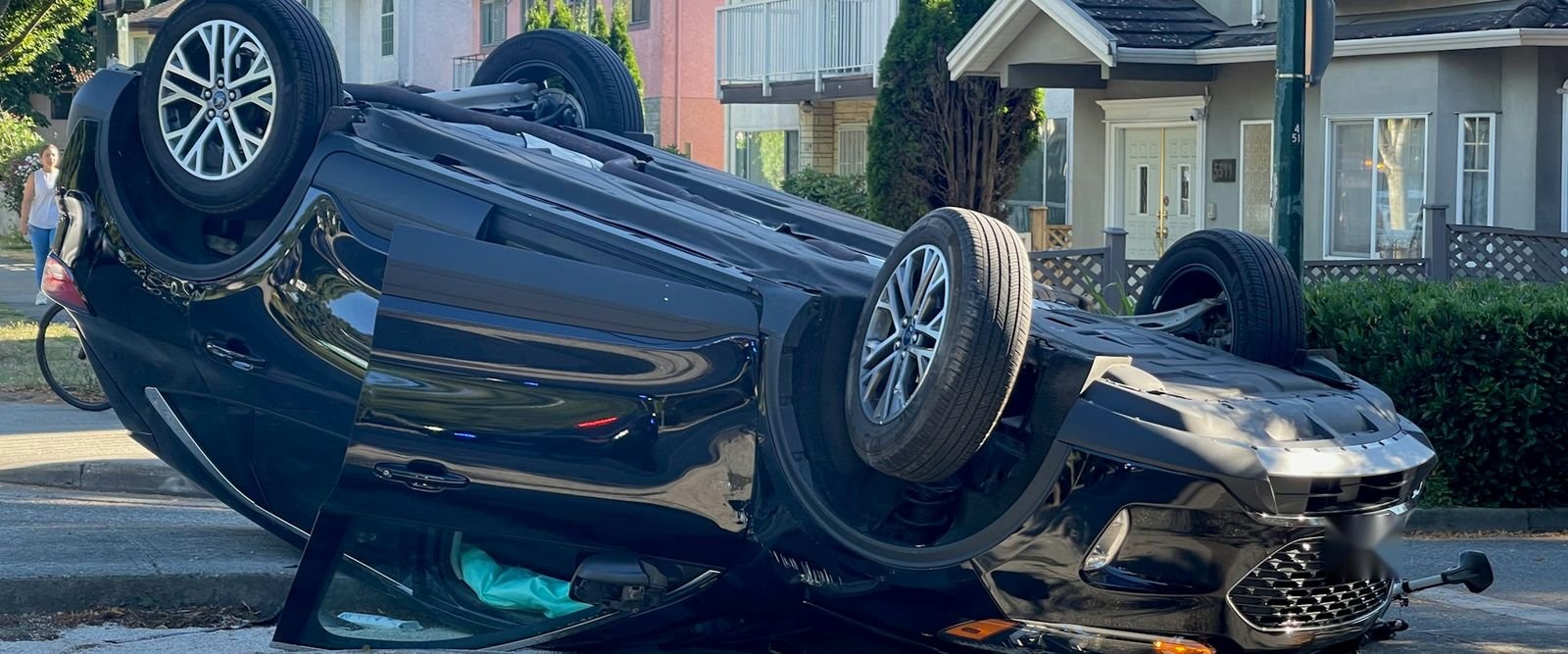
In the context of personal injury, a rollover defect refers to a flaw or issue in a vehicle that makes it more prone to rolling over during a crash or other events. Rollover accidents occur when a vehicle tips onto its side or roof. These incidents can be particularly dangerous and result in severe injuries or fatalities.
Injuries that can result from a rollover accident include:
- Traumatic Brain Injuries (TBIs): These can occur if the occupant's head strikes a hard surface during the rollover.
- Spinal Cord Injuries: Injuries to the spinal cord may happen due to the force and impact of the rollover, potentially leading to paralysis.
- Bone Fractures: The violent motion of a rollover can cause fractures in various bones, such as the arms, legs, and ribs.
- Internal Organ Damage: The compression forces and impacts during a rollover can cause damage to internal organs.
- Cuts and Lacerations: Broken glass and other debris during a rollover can cause cuts and lacerations.
- Soft Tissue Injuries: Muscles, tendons, and ligaments can be injured due to the sudden and forceful movements in a rollover.
To reduce the risk of rollovers, car manufacturers can take several measures:
- Lowering the Center of Gravity: Designing vehicles with a lower center of gravity makes them more stable and less prone to tipping over.
- Electronic Stability Control (ESC): ESC systems help prevent skidding and loss of control, which can be significant in preventing rollovers.
- Roll Bars and Roll Cages: Strengthening the vehicle's structure with roll bars and cages can enhance its ability to withstand a rollover and protect occupants.
- Improved Suspension Systems: Well-designed suspension systems contribute to a vehicle's stability and handling, reducing the likelihood of rollovers.
- Traction Control Systems: These systems help prevent wheel spin during acceleration, improving overall vehicle control.
- Anti-lock Braking Systems (ABS): ABS prevents wheel lock-up during braking, maintaining steering control and reducing the risk of skidding or rollovers.
- Rollover Airbags: Some vehicles are equipped with side curtain airbags that deploy in the event of a rollover, providing additional protection to occupants.
It's essential for manufacturers to adhere to safety standards and regulations, conduct thorough testing, and address any identified design flaws to enhance the overall safety of vehicles and reduce the occurrence and severity of rollover accidents.