

By Robert M. MansourCalifornia attorney since 1993 · State Bar #169118
Brain injuries resulting from car accidents can vary widely in severity and type, depending on the nature of the accident and the specific impact to the head. Brain injury cases can be very challenging. Some common types of brain injuries that can occur from car accidents include:
- Concussion: A concussion is a mild traumatic brain injury caused by a sudden jolt or blow to the head, leading to temporary disruption of normal brain function. Symptoms may include headaches, dizziness, confusion, memory problems, and sensitivity to light and noise.
- Traumatic Brain Injury (TBI): TBIs range from mild to severe and occur when there is a sudden trauma to the head causing damage to brain tissue. TBIs can result in a wide range of physical, cognitive, and emotional symptoms, depending on the severity of the injury.
- Diffuse Axonal Injury (DAI): DAI is a severe form of TBI characterized by widespread damage to the brain's white matter fibers, often caused by rapid acceleration or deceleration forces in car accidents. DAI can result in coma, persistent vegetative state, or severe neurological impairment.
- Contusion: A contusion is a bruise on the brain caused by direct impact to the head. Contusions can cause localized brain damage and may require surgical intervention in severe cases.
- Hematoma: A hematoma is a collection of blood outside the blood vessels, which can occur in the brain following a car accident. Hematomas can exert pressure on surrounding brain tissue, leading to neurological symptoms and potentially life-threatening complications.
Closed head injuries and penetrating head injuries are two broad categories of head injuries that can occur from car accidents:
- Closed Head Injury: A closed head injury occurs when the skull remains intact, but the brain sustains damage due to impact or rapid acceleration/deceleration forces. Closed head injuries can include concussions, contusions, TBIs, and diffuse axonal injuries.
- Penetrating Head Injury: A penetrating head injury occurs when an object penetrates the skull and enters the brain tissue. Penetrating head injuries are less common in car accidents but can occur if the accident involves objects such as shattered glass or projectiles.
Diagnostic tests for accident-related brain injuries may include:
- Computed Tomography (CT) Scan: CT scans are often used in the emergency setting to assess for acute brain injuries such as hemorrhage, contusions, or skull fractures.
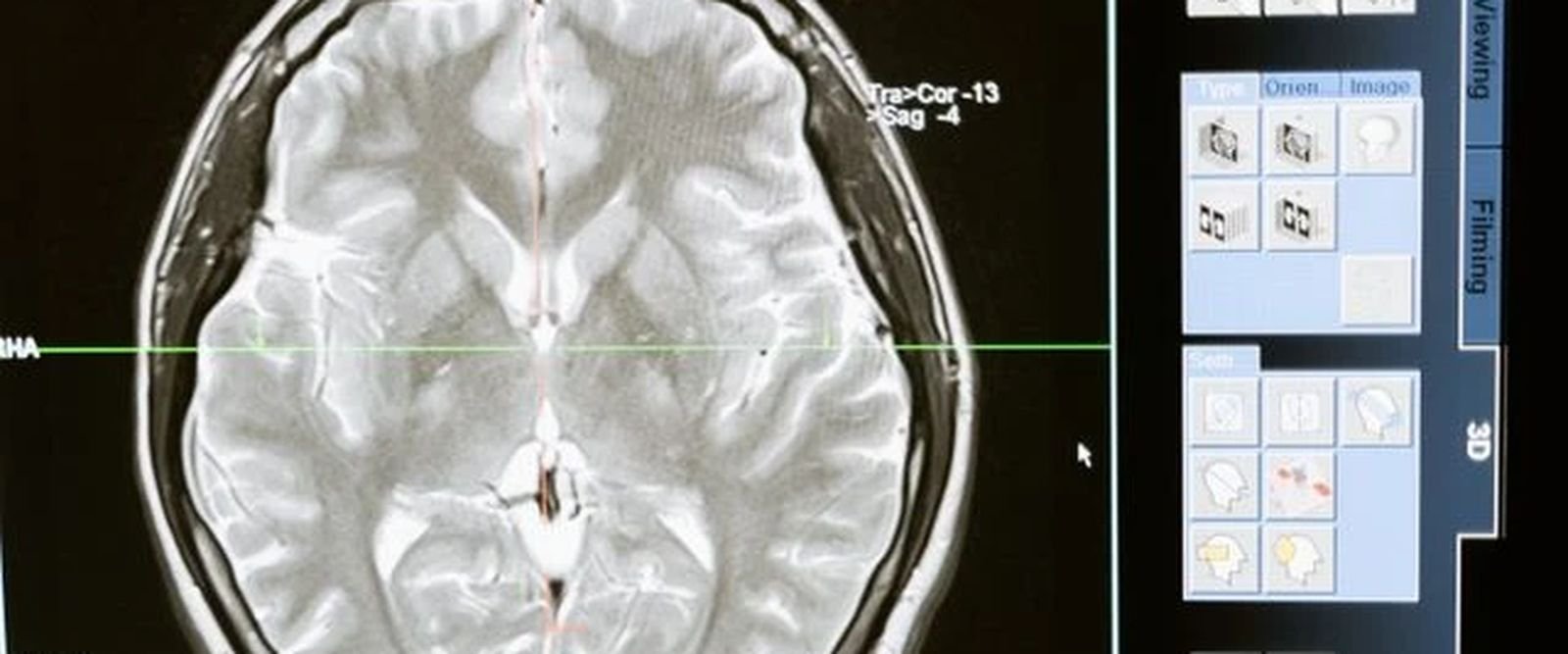
- Magnetic Resonance Imaging (MRI): MRI scans provide detailed images of the brain and can detect subtle changes in brain structure and function, making them useful for diagnosing traumatic brain injuries and assessing long-term effects.
- Neuropsychological Testing: Neuropsychological testing assesses cognitive function, memory, attention, and other aspects of brain function to evaluate the impact of brain injuries on cognitive abilities and behavior.
- Electroencephalogram (EEG): EEG measures electrical activity in the brain and can be used to assess for seizure activity or abnormalities in brain function.
- Neurological Examination: A comprehensive neurological examination by a healthcare provider can assess motor function, sensation, reflexes, and other neurological signs indicative of brain injury.
Common treatments for brain injury cases from car accidents may include:
- Medical Management: Depending on the severity of the brain injury, medical management may include monitoring in the intensive care unit, medication to reduce swelling or prevent seizures, and management of other complications such as infections or respiratory issues.
- Rehabilitation Therapy: Rehabilitation therapy, including physical therapy, occupational therapy, speech therapy, and cognitive rehabilitation, is often necessary to help individuals recover and regain function after a brain injury.
- Surgery: In cases of severe brain injuries with intracranial bleeding, hematomas, or skull fractures, surgical intervention may be necessary to relieve pressure on the brain, repair damaged blood vessels, or remove debris from the brain tissue.
- Psychological Support: Brain injuries can have significant psychological and emotional effects on individuals and their families. Psychological support, counseling, and support groups can help individuals cope with the emotional impact of brain injuries and adjust to life changes.
- Long-Term Care: Some individuals with severe brain injuries may require long-term care and support, including assistance with activities of daily living, specialized medical care, and supervision to ensure safety and well-being.
It's important for individuals who have sustained brain injuries in car accidents to receive prompt medical evaluation and appropriate treatment to optimize outcomes and facilitate recovery. Additionally, ongoing monitoring and follow-up care are often necessary to address long-term effects and provide support for individuals and their families coping with the consequences of brain injuries.